

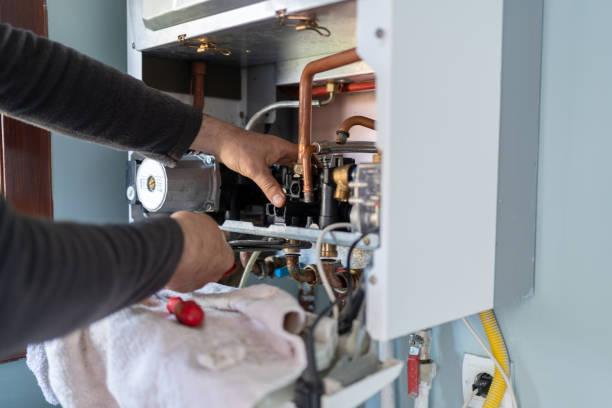
A furnace is an essential component of any home, especially during the colder months. However, like any other mechanical system, furnaces can experience issues over time. Understanding common problems and their solutions can help homeowners address these issues efficiently and maintain a warm, comfortable living environment.
Common Furnace Problems and Their Solutions
- Potential Causes:
- Thermostat settings are incorrect or malfunctioning.
- Pilot light is out (for older models).
- A tripped circuit breaker or blown fuse.
- Verify that the thermostat is set to “Heat” mode and adjust the temperature settings.
- Check and relight the pilot light if needed (following safety precautions).
- Inspect your home’s electrical panel for tripped breakers or blown fuses.
- Potential Causes:
- Dirty air filters restricting airflow.
- Leaky ductwork causing heat loss.
- Replace or clean air filters regularly (every 1-3 months depending on usage).
- Seal leaks in ductwork with specialized tape or consult an HVAC professional.
- Potential Causes:
- A clogged air filter causing overheating.
- Incorrect thermostat calibration or placement near heat sources.
- Replace dirty filters to improve airflow and prevent overheating.
- Reposition your thermostat away from direct sunlight or appliances that emit heat.
- Potential Causes:
- Loose internal components like belts or screws.
- Worn-out bearings in the blower motor.
- Solutions:
- Tighten loose components using basic tools if accessible.
- Schedule professional maintenance for more complex repairs involving motors.
Tips for Preventing Furnace Problems
- Schedule annual inspections by a licensed HVAC technician to identify potential issues early.
- Replace air filters regularly to ensure optimal airflow and efficiency.
- Keep vents unobstructed by furniture or debris to promote proper heat circulation throughout your home.
- Clean around your furnace unit to reduce dust buildup that may impact performance.
Comparison Table: DIY vs Professional Repairs
| Task | DIY Repair Suitable? | Professional Assistance Required? |
| Replacing Air Filters | Yes | No |
| Relighting Pilot Light | Yes (if familiar with steps) | Recommended if unsure |
| Fixing Blower Motor | No | Yes |
| Sealing Duct Leaks | Limited | Recommended for extensive leaks |
When deciding between tackling a repair yourself versus hiring a professional, consider factors such as complexity, safety risks, and whether special tools are required.
When to Call an HVAC Professional
- Persistent heating problems despite troubleshooting attempts.
- Carbon monoxide alarms going off—a sign of dangerous gas leakage from your furnace.
- The need for repairs on newer furnaces still under warranty (to avoid voiding coverage).
Addressing furnace problems promptly ensures not only comfort but also safety during winter months when reliable heating is essential.
Understanding Furnace Repair Woodbridge VA: Types of Heating Systems and Their Impact on Repairs
Heating systems are integral to maintaining comfort in residential and commercial spaces, especially during colder months. Understanding the types of heating systems available and their unique characteristics is key to diagnosing and addressing repair issues efficiently. Below, we explore the most common types of heating systems, their components, and how they influence repair strategies.
Types of Heating Systems
- Furnaces (Forced-Air Systems)
Furnaces are among the most widely used heating systems in homes across North America. These systems use natural gas, propane, oil, or electricity to heat air, which is then distributed through ductwork. - Common Components: Burner, heat exchanger, blower motor, thermostat.
- Issues with the burner or pilot light can lead to insufficient heat.
- Blower motor malfunctions may prevent proper air circulation.
- Dirty air filters can reduce efficiency or strain components.
- Boilers (Radiant Heating Systems)
Boilers heat water or steam that circulates through radiators or underfloor pipes to provide warmth. These are common in older homes and buildings. - Common Components: Heat exchanger, circulating pump, expansion tank, pressure relief valve.
- Leaks in pipes or radiators can cause significant performance issues.
- The circulating pump could fail due to wear and tear over time.
- Sediment build-up in the boiler tank may reduce efficiency.
- Heat Pumps
Heat pumps operate by transferring heat between indoor and outdoor spaces using refrigerant technology. They can serve as both a heating and cooling solution. - Common Components: Compressor, reversing valve, evaporator coil.
- Refrigerant leaks can impact efficiency or render the system ineffective.
- Compressor failures may require costly repairs or replacement.
- Problems with defrost cycles in cold weather may disrupt heating performance.
- Ductless Mini-Split Systems
These systems provide zoned heating without requiring ductwork. They consist of an outdoor compressor unit connected to indoor air-handling units. - Common Components: Indoor unit (fan & coil), outdoor compressor/condenser unit.
- Electrical component malfunctions can disrupt both heating and cooling capabilities.
- Clogged filters or coils reduce airflow and system efficiency.
- Refrigerant issues often require professional servicing due to environmental regulations.
- Electric Baseboard Heaters
Electric baseboard heaters use electricity to warm elements inside metal housings; these elements then radiate heat into a room directly. - Common Components: Heating element, thermostat controls.
- Overheating caused by faulty thermostats may impact safety and efficiency.
- Worn-out components like resistors might need replacement after extended use.
- Geothermal Heating Systems Geothermal systems extract heat from below Earth’s surface using underground pipes filled with fluid that transfers thermal energy indoors.
- Repair Complexity high due specialized equpment needed esp
How System Type Impacts Repairs
- Some systems like furnaces often require attention on mechanical parts compared too
Understanding HVAC Installation Woodbridge VA: Types of Heating Systems and Their Impact on Repairs
Heating systems are a crucial component of maintaining indoor comfort, especially during cold seasons. Understanding the different types of heating systems not only helps in selecting the right one for your property but also provides insight into how repairs and maintenance may vary based on their design and mechanism. Below is an overview of the most common types of heating systems, their unique features, and how they influence repairs.
Types of Heating Systems
- How They Work: Furnaces heat air and distribute it through ducts using a blower. They rely on natural gas, propane, oil, or electricity as fuel sources.
- Common issues include dirty filters, pilot light problems, or blower motor failures.
- Repairs often require attention to ductwork leaks or malfunctioning thermostats.
- How They Work: Boilers heat water, producing either steam or hot water that circulates through radiators or radiant floor systems.
- Leaking pipes or valves are frequent issues.
- Problems with circulating pumps or expansion tanks may also arise.
- Maintenance tends to be more specialized due to pressurized heating mechanisms.
- How They Work: Heat pumps transfer heat between indoors and outdoors using refrigerant technology. They can function as both heaters and air conditioners.
- Refrigerant leaks are a common concern requiring professional handling.
- Issues with outdoor units freezing up during winter can occur.
- Electrical malfunctions in compressor components often demand skilled technicians.
- How They Work: These portable devices convert electrical energy directly into heat for small spaces.
- Limited repair options; usually replaced if faulty due to affordability and simplicity.
- Overheating issues might require checking internal wiring.
- How They Work: Utilizes electrical elements or hot water tubes installed under flooring to provide warmth directly from the ground up.
- Damage to underfloor components can lead to costly repairs as floors may need removal for access.
- Leak detection in hydronic systems (water-based) requires specialized tools.
- How They Work: These systems use underground loops filled with fluid to harness earth’s thermal energy for heating and cooling purposes.
- Repair Considerations:
- Pipe leaks or damage can be challenging due to their underground placement.
- Regular checks on fluid levels and circulation pumps help prevent major failures.
How Heating System Types Influence Repair Costs
| Heating System Type | Common Issues | Average Repair Cost ($) |
| Furnace | Filter replacement, pilot light | 100–400 |
| Boiler | Leaks, circulation pump issues | 150–600 |
| Heat Pump | Refrigerant leaks, frozen coils | 200–700 |
| Electric Space Heater | Wiring problems | <100 |
| Radiant Floor Heating | Pipe damage under flooring | 500–2,000 |
| Geothermal Heat Pump | Underground pipe issues | 1,000–3,000 |
Factors That Impact Repairs Across All Systems
- Age of Equipment: Older systems tend to require more frequent repairs and may have parts that are harder to source.
- Maintenance History: Regular maintenance reduces wear-and-tear-related malfunctions.
- Complexity: Advanced technologies like geothermal heat pumps demand higher expertise compared to simpler options like electric heaters.
- Environmental Conditions: Extreme weather conditions can strain certain types of heating equipment, increasing repair needs over time.
Understanding these various heating system types helps homeowners anticipate potential issues while planning for regular maintenance or repairs effectively. Proper selection based on your property’s needs can significantly reduce long-term repair costs while improving efficiency.
What to Do When You Need Emergency HVAC Service Woodbridge VA for a Broken Heater
A malfunctioning heater can be a major inconvenience, especially during colder months. If your heating system stops working, it’s essential to identify the root cause and determine the most effective solution. Below, we outline common reasons why heaters fail and actionable steps to resolve the issues.
Common Reasons Your Heater Stops Working
- Incorrect temperature settings or dead batteries in programmable thermostats.
- Malfunctioning thermostat sensors causing communication errors with the heater.
- Dust and debris accumulation restricting airflow.
- Reduced efficiency leading to overheating or inadequate heating performance.
- Faulty thermocouples or gas supply issues.
- Dirty ignition components preventing burners from lighting properly.
- Worn-out belts or motors causing poor airflow.
- Electrical failures leading to complete motor shutoff.
- Overloaded electrical circuits disrupting power to your heater.
- Safety mechanisms shutting off power due to underlying issues.
- Dirt buildup reducing heat transfer efficiency.
- Potential for cracks that compromise safety (carbon monoxide leaks).
- Obstructions in ducts affecting airflow distribution.
- Leaks in ductwork reducing overall system efficiency.
Steps to Fix a Non-Working Heater
- Ensure the thermostat is set to “heat” mode and its temperature is above room level.
- Replace batteries if needed, and check for loose wires.
- Locate air filters in your HVAC system and inspect them for dirt buildup.
- Replace filters if they appear clogged (recommended every 1–3 months).
- Check your home’s circuit breaker panel for tripped switches related to HVAC systems.
- Reset any tripped breakers but monitor if they trip again (this may indicate a deeper issue).
- Examine Pilot Light/Ignition System | Problem | Possible Solution | |———————|——————————————| | Pilot light is out | Relight using manufacturer instructions | | Dirty flame sensor | Clean flame sensor with sandpaper | | Gas supply issue | Ensure main gas valve is open |
- Inspect vents for visible obstructions like furniture, rugs, or debris.
- If ductwork leaks are suspected, consider professional inspection and sealing services.
- Test Blower Motor Functionality Signs of blower failure include weak airflow or unusual noises:
- For belt-driven motors: Tighten loose belts or replace worn ones.
- For other motor issues: Consult an HVAC technician for repairs/replacement.
When Professional Help Is Needed
- Persistent problems after attempting DIY fixes (e.g., recurring circuit trips).
- Noisy operation indicating internal component failures (e.g., squealing motors).
- Unusual smells like burning odors, which could signal electrical hazards.
- Visible signs of structural damage such as cracks in heat exchangers (critical safety concern).
Hiring an experienced HVAC technician ensures that complex issues are addressed correctly while maintaining system safety standards.
By identifying common causes and adhering to proper troubleshooting practices, you can restore functionality to your heating system efficiently while minimizing downtime during colder seasons.

Key Factors to Consider When Hiring an HVAC Contractor Woodbridge VA for Heater Repair or Replacement
When faced with a faulty heater, deciding whether to repair or replace it can be challenging. Making the right decision requires evaluating several factors, including the age of your system, repair costs, energy efficiency, and frequency of breakdowns. Below is a guide to help you assess whether repairing or replacing your heater is the best option for your situation.
1. Age of the Heater
The age of your heating system plays a significant role in determining its future viability:
– Lifespan by Heating Type:
| Heating System Type | Average Lifespan |
|—————————|—————————|
| Gas Furnace | 15–20 years |
| Electric Heat Pumps | 10–15 years |
| Radiant Heaters | Over 20 years (varies) |
- If your system has reached or exceeded its expected lifespan, it may be more cost-effective to replace it.
2. Repair Costs vs. Replacement Costs
- General Rule: If repair costs exceed 50% of the cost of a new unit, replacement might be the better choice.
- Frequent minor repairs can add up over time; consider these cumulative costs when making a decision.
3. Energy Efficiency and Utility Bills
- AFUE Rating: Check your furnace’s Annual Fuel Utilization Efficiency (AFUE) rating. Newer systems often have an AFUE rating of over 90%, while older units may fall below 70%.
- Upgrading to an energy-efficient unit can significantly lower monthly utility costs.
Comparison Table: Old vs. New Systems (Efficiency and Costs)
| Feature | Older Units | Newer Units |
| Energy Efficiency | Low | High |
| Monthly Operating Cost | High | Low |
| Environmental Impact | Significant | Reduced |
4. Frequency and Severity of Repairs
- Consider how often you’ve had professional service calls in the past year.
- A single major breakdown requiring expensive repairs—like blower motor or heat exchanger replacement—may justify replacing the entire unit.
Signs It’s Time for Replacement
Here are some key signs that indicate replacing your heater might be more practical than repairing it:
– The unit struggles to maintain consistent temperatures throughout your home. – Unusual noises such as banging or rattling persist even after routine maintenance. – A noticeable decline in indoor air quality or humidity control. – Persistent odor issues originating from your heating unit.
When Repair is Still Viable
There are also scenarios where repairing makes sense: 1. The system is under ten years old and still within warranty coverage. 2. Repairs are relatively inexpensive and infrequent. 3. You recently invested in key components like thermostats or duct upgrades that complement continued use.
Making an informed choice between repair and replacement ensures you optimize both comfort and long-term savings while avoiding unnecessary expenses. Assess all factors carefully before proceeding with any decision related to your heating system’s upkeep or upgrade needs.
Recognizing Issues Early: Top Signs Your HVAC System Needs Immediate Attention
Identifying problems with your HVAC (Heating, Ventilation, and Air Conditioning) system early can save you time, money, and discomfort. While some issues may seem minor at first glance, they can quickly escalate into more significant problems if left unaddressed. Below are the key signs that your HVAC system needs immediate attention.
1. Unusual Noises
Your HVAC system should operate relatively quietly. If you notice unusual sounds such as:
– Banging or clanking: These could indicate loose or broken components in the unit.
– Squealing or screeching: This often points to a worn-out blower motor or fan belt.
– Hissing: This might signal refrigerant leaks or an air duct issue.
Ignoring these noises could lead to a complete system breakdown.
2. Uneven Heating or Cooling
If some rooms in your home feel significantly warmer or cooler than others, the problem might be within your HVAC system. Common causes include:
– Blocked vents or ducts
– A malfunctioning thermostat
– Aging equipment struggling to perform efficiently
Regular maintenance can help identify these issues before they worsen.
3. Higher Energy Bills Without Increased Use
A sudden spike in energy costs without a corresponding change in usage often signals that your HVAC system is not operating efficiently. Possible reasons include:
– Clogged air filters reducing airflow
– Leaky ducts causing heat loss or cooled air to escape
– An aging unit working harder to maintain desired temperatures
Tip: Compare energy bills from the same season in previous years to identify irregularities.
4. Frequent Cycling On and Off
Short cycling, where your HVAC repeatedly turns on and off, may indicate:
1. A dirty filter restricting airflow
2. Problems with the thermostat’s placement (too close to heat sources)
3. An improperly sized unit for your home
Short cycling not only increases wear and tear but also reduces overall efficiency.
5. Persistent Odors Coming From Vents
Unpleasant smells emitted from your vents should never be ignored because they often signify deeper problems:
| Type of Odor | Potential Cause |
|———————–|——————————————————|
| Musty smell | Mold growth within ducts |
| Burning smell | Electrical issue such as wiring damage |
| Rotten egg smell | Gas leak (requires immediate professional attention) |
If any peculiar smells persist, it’s best to contact an HVAC technician immediately.
6. Poor Airflow
Weak airflow from vents reduces comfort and is often caused by one of the following: – Dirty air filters restricting air movement – Problems with the blower fan – Leaks in ductwork
Testing airflow using tools like an anemometer can help confirm whether professional repair is needed.
7. Excess Moisture Around Your Unit
If you notice water pooling near your HVAC unit, it may be due to: – A clogged condensate drain line blocking proper drainage – Refrigerant leaks reducing cooling performance
Excess moisture not only damages flooring and walls but also encourages mold growth around the area.
Preventative Measures for Early Issue Detection
To avoid costly breakdowns, consider these preventative steps: – Regular Maintenance Schedule: Hire professionals for biannual inspections. – Replace Filters: Change air filters every three months (or more frequently if needed). – Monitor Performance: Take note of changes in heating/cooling efficiency over time.
By addressing small issues early on, you can maximize the lifespan of your HVAC system while ensuring year-round comfort for your home or office environment.
Understanding How Each Heating System Works to Improve HVAC Repairs
To ensure efficient and effective HVAC repairs, it’s essential to understand how different heating systems function. Each type of heating system has unique components, configurations, and mechanisms that impact both performance and repair strategies. Below is a detailed breakdown of common heating systems, their operation, and how understanding these systems can lead to better maintenance and repair outcomes.
Forced-Air Heating Systems
Forced-air systems are one of the most common types of heating systems in residential and commercial properties. They heat air in a furnace and distribute it through ductwork using a blower motor.
How It Works:
1. A thermostat signals the furnace to ignite the burner or activate an electric heat element.
2. The furnace heats air, which is then pushed into ducts by a blower fan.
3. Warm air reaches vents in various rooms, ensuring even distribution of heat.
Key Repair Considerations:
– Blower Issues: Malfunctioning fans or motors can disrupt airflow. – Heat Exchanger Cracks: This can cause inefficient heating or carbon monoxide leaks. – Thermostat Problems: Inaccurate temperature readings often require recalibration or replacement.
Radiant Heating Systems
Radiant heating transfers heat directly to floors or walls using hot water pipes or electric coils embedded in surfaces.
How It Works:
1. A boiler heats water (or electric elements generate heat).
2. Heat radiates through panels, floors, or walls into the living space without air movement.
Key Repair Considerations:
– Piping Leaks: Water-based radiant systems often face challenges with pipe leaks that reduce efficiency.
– Thermostatic Valves: These may malfunction over time and require servicing or replacement to maintain comfort levels. – Uneven Heating Zones: Air bubbles trapped in pipes can lead to cold spots that need professional attention.
Steam Heating Systems
Steam heating relies on boiling water in a boiler to create steam that travels through pipes to radiators installed in individual rooms.
How It Works:
1. A boiler heats water until it turns into steam. 2. Steam flows through pipes, heating radiators which then warm the surrounding space.
Key Repair Considerations:
– Boiler Maintenance Issues: Sediment buildup inside boilers reduces efficiency and requires periodic cleaning. – Radiator Valve Problems: Radiator valves may wear out over time, leading to uneven heating. – Pipe Corrosion and Leaks: Old steam systems often encounter corrosion-related issues that need prompt repair.
Heat Pump Systems
Heat pumps are versatile systems that provide both heating and cooling by transferring heat rather than generating it directly like furnaces or boilers.
How It Works (Heating Mode):
1. The outdoor unit extracts warmth from outside air (even during cold conditions).
2. Heat is compressed via refrigerant cycles and transferred indoors for distribution through ductwork or mini-split units.
Key Repair Considerations:
– Refrigerant Levels: Low refrigerant impacts performance significantly; recharging may be required. – Compressor Issues: Malfunctions here can disrupt both heating and cooling capabilities. – Reversing Valve Failures: Necessary for switching between modes; valve failures must be addressed immediately.
Comparison Table: Heating System Features
| Feature | Forced-Air Systems | Radiant Systems | Steam Systems | Heat Pumps |
| Energy Efficiency | Moderate | High | Moderate | High |
| Maintenance Frequency | Moderate | Low | High | Moderate |
| Common Repairs Needed | Blower motors | Pipe leaks | Boiler cleaning | Refrigerant recharge |
| Initial Installation Cost | Affordable | High | Moderate | Moderate |
Importance of Understanding System Differences
By recognizing how each system operates, HVAC technicians can diagnose problems more effectively while minimizing downtime for homeowners or businesses. This leads to faster solutions tailored to the specific needs of each type of system while optimizing overall energy efficiency and performance longevity for users’ comfort during colder months.
Understanding How Each Heating System Works to Improve HVAC Repairs
Having a clear understanding of how different heating systems function is essential for effective HVAC repairs. Different systems have unique components, mechanisms, and maintenance needs. By familiarizing yourself with these heating systems, you can not only troubleshoot problems more efficiently but also extend the lifespan of the equipment. Below is an overview of common heating systems and how their functionality impacts repairs.
Types of Heating Systems
- Functionality: Furnaces heat air using natural gas, electricity, or oil and distribute it through ductwork.
- Common Issues:
- Dirty filters restricting airflow.
- Ignition or pilot light failures in gas furnaces.
- Malfunctioning thermostats causing uneven temperature distribution.
- Key Repair Tips:
Regular filter replacement and ensuring proper thermostat settings can prevent major breakdowns. - Functionality: Heat pumps transfer heat between indoor and outdoor environments using refrigerants.
- Common Issues:
- Refrigerant leaks reducing efficiency.
- Iced-over coils during winter operation.
- Faulty reversing valves impacting heating/cooling modes.
- Key Repair Tips: Inspecting refrigerant levels and defrost systems can resolve many issues.
- Functionality: Boilers use water or steam to provide radiant heat through pipes and radiators.
- Common Issues:
- Leaks in piping or connections.
- Kettling (banging noise) due to mineral buildup in the boiler tank.
- Circulator pump malfunctions reducing water flow.
- Key Repair Tips:
Performing routine flushing of the system and checking for leaks can mitigate common problems. - Functionality: These devices convert electricity into direct heat for small spaces without ductwork.
- Common Issues:
- Broken heating elements diminishing performance.
- Faulty safety switches or wiring causing shutdowns.
- Key Repair Tips: Always inspect internal wiring and replace damaged elements immediately.
- Functionality: Radiant heating supplies heat directly to floors, walls, or ceilings via electric cables or hydronic tubing beneath surfaces.
- Common Issues:
- Leaks in hydronic tubing leading to inefficiency.
- Damaged electrical wiring in electric-based radiant floors.
- Uneven heating due to installation flaws.
- Maintenance Plan Routine layout re-inspections fixes technician consistently.
- Finding the Best HVAC Contractor for Furnace Repair Woodbridge VA
- The Process of HVAC Installation Explained by an Expert HVAC Contractor Woodbridge VA
- Key Signs You Need AC Repair Woodbridge VA to Prevent a Complete Breakdown
- Comprehensive AC Repair Woodbridge VA: Solutions for Common Furnace and Cooling Issues
- Expert HVAC Contractor Woodbridge VA for Reliable Design and Installation Services
- Signs That Your HVAC System Needs Repair From an HVAC Contractor Woodbridge VA