

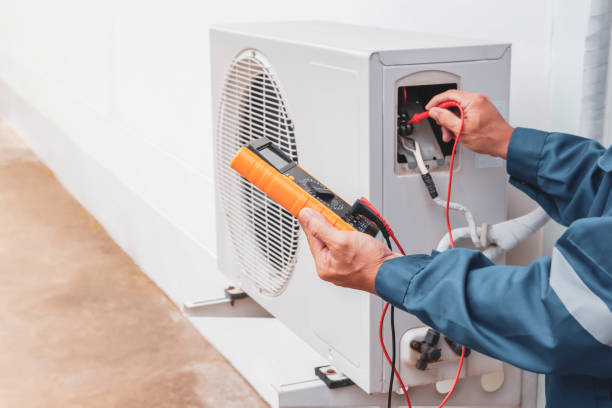
Your HVAC system is crucial for maintaining a comfortable and healthy indoor environment. However, like any mechanical system, it requires occasional attention to ensure proper functioning. Recognizing early warning signs of trouble can help you avoid unexpected breakdowns and costly repairs. Below are some key indicators that your HVAC system may need repair.
Unusual Noises
One of the most noticeable signs of HVAC issues is unusual sounds coming from the system. These noises could include:
– Grinding: Often a sign of faulty motor bearings.
– Hissing: This could indicate refrigerant leaks or ductwork issues.
– Banging or Clanging: Could be caused by loose or broken components in the blower assembly or motor housing.
When you notice these sounds, it’s essential to call a professional technician for an inspection.
Inconsistent Temperatures
If some rooms in your home feel warmer or cooler than others, your HVAC system may not be operating efficiently. Potential causes include:
– Blocked vents or ductwork.
– Malfunctioning thermostats.
– Issues with airflow distribution.
An uneven temperature balance often points to underlying problems that need addressing before they worsen.
Rising Energy Bills
A sudden spike in energy bills without any significant changes in usage patterns typically suggests your HVAC unit is working harder than necessary to maintain desired temperatures. Common reasons include:
– Dirty air filters restricting airflow.
– Aging components losing efficiency over time.
– Refrigerant levels being too low.
Monitoring monthly utility statements can help you detect inefficiencies early on.
Poor Air Quality and Humidity Control
Your HVAC unit also plays an essential role in circulating clean, conditioned air throughout your home while managing humidity levels. Signs indicating poor performance might include:
– Increased dust accumulation despite regular cleaning.
– Persistent moldy smells indicating moisture buildup inside the unit or ducts.
– Higher-than-usual indoor humidity levels causing discomfort during hot months.
Addressing such problems promptly can improve both comfort and health within your living space.
How Regular Maintenance Can Prevent Furnace Repair Woodbridge VA
| Maintenance Task | Frequency | Notes |
| Change Air Filters | Every 1–3 months | Helps maintain airflow efficiency |
| Clean Evaporator/Condenser Coils | Annually | Prevents energy inefficiency |
| Check Refrigerant Levels | Annually | Avoids cooling performance issues |
| Inspect Electrical Components | Annually | Prevents wear/failure over time |
Scheduling professional maintenance services at least once a year can also help identify potential issues before they escalate into major repairs.
Expert Tips for HVAC Installation Woodbridge VA: When to Call a Professional
- You detect refrigerant leaks (e.g., visible pooling liquid near components).
- The unit frequently cycles on and off without maintaining target temperatures (short cycling).
- Electrical controls seem faulty (e.g., tripped breakers when starting up).
Calling an experienced technician ensures safe diagnostics and appropriate solutions for complex problems that DIY troubleshooting might overlook.
Recognizing these warning signs early not only prevents unexpected malfunctions but also helps you save money by addressing smaller issues before they lead to more expensive repairs or full-system replacements.
Choosing an HVAC Contractor Woodbridge VA: When to Repair or Replace Your System for Peak Performance
Making the decision to repair or replace your HVAC system can significantly impact your home’s comfort, energy efficiency, and annual costs. Knowing when to take action is crucial to maintaining an optimally performing system. This guide outlines key considerations to help you decide what’s best for your situation.
When to Call for Emergency HVAC Service Woodbridge VA
- Uneven cooling or heating: If certain rooms in your home are too hot or too cold, there may be an issue with airflow or ductwork that can often be fixed without replacing the entire unit.
- Increase in energy bills: A sudden spike in energy costs could indicate inefficiency caused by minor issues like clogged filters or a malfunctioning thermostat.
- Unusual noises: Rattling, hissing, or banging sounds from your system might suggest loose components or debris within the unit that a professional can address.
- Poor air quality: Excessive dust or humidity inside your home may point to ventilation problems that don’t necessarily require replacement.
When Replacement May Be More Cost-Efficient
- Frequent repair needs: Spending money on repeated repairs for aging equipment adds up quickly and may exceed the cost of a new installation over time.
- Old age of the unit: Most HVAC systems last 10–15 years; if yours is nearing this range, upgrading ensures better performance and energy savings.
- Rising utility bills despite repairs: An older, inefficient system uses more energy even while seemingly functioning properly.
- Use of outdated refrigerants: Systems using phased-out refrigerants like R-22 should be replaced with modern units compliant with current environmental standards.
The Role of Regular Maintenance in Decision-Making
- Replacing air filters every 1–3 months
- Cleaning ducts annually to ensure proper airflow
- Scheduling professional inspections twice a year (before summer and winter)
Repair vs Replacement Cost Comparison Table
| Factor | Repair Costs (Average) | Replacement Costs (Average) |
| Minor Issues (e.g., filter replacement) | $50–$150 | N/A |
| Thermostat Replacement | $100–$300 | Included in new unit cost |
| Compressor Repair | $500–$1,000 | $2,500–$7,500 |
| Full System Replacement | N/A | $5,000–$12,000 |
Note: Costs vary based on region and specific service providers.
Benefits of Upgrading Your System
- Enhanced efficiency leading to lower monthly bills
- Improved indoor air quality with advanced filtration systems
- Quieter operation due to modern noise-reduction technology
- Eligibility for rebates and tax credits when installing energy-efficient models
By weighing repair costs against the long-term benefits of replacing an outdated unit, you can determine which option aligns best with both your budget and performance expectations.
What Factors Affect HVAC Installation and Replacement Costs?
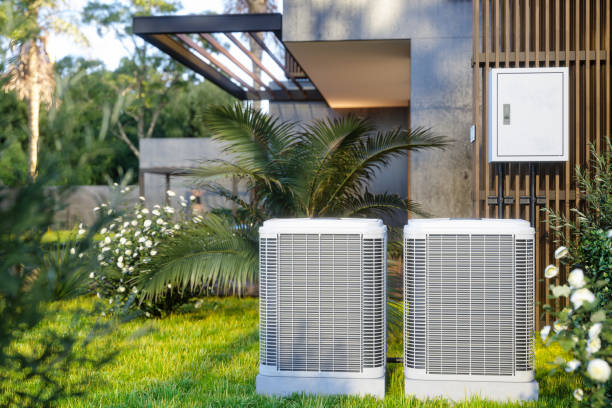
When it comes to installing or replacing an HVAC system, there are several factors that can significantly impact the overall cost. Understanding these variables will not only help you budget effectively but also allow you to make informed decisions about the system that best suits your needs. Below, we’ll break down the key factors that contribute to HVAC installation and replacement expenses.
1. Type of HVAC System
| HVAC System Type | Average Cost Range | Key Features |
| Central Air Conditioning | $3,000 – $7,000 | Efficient cooling for entire homes |
| Heat Pumps | $4,000 – $8,000 | Provides both heating and cooling |
| Mini Split Systems | $2,000 – $10,000 (varies) | Zoned comfort without ductwork |
| Furnace System | $2,500 – $6,500 | Consistent heating for cold climates |
The complexity of installation for certain systems (e.g., ductwork requirements for central systems) can also add to costs.
2. Unit Size
The size of your home directly impacts the size or capacity of your HVAC unit. Larger homes require more powerful units which tend to be more expensive. This is measured in BTUs (British Thermal Units) or tons for air conditioning capacity.
- Smaller units (e.g., 1.5 – 2 tons) may cost less upfront but could lead to inefficiency in larger spaces.
- Oversized units may cool or heat too quickly and result in uneven temperatures and increased energy bills.
A professional load calculation performed by an HVAC contractor ensures you purchase a unit that matches your home’s size and insulation levels.
3. Energy Efficiency Ratings
- SEER Rating: For air conditioners and heat pumps, higher SEER ratings indicate better efficiency but come with a higher price tag.
- AFUE Rating: For furnaces, AFUE ratings measure fuel efficiency—a high AFUE rating means better performance but potentially greater upfront expense.
Opting for energy-efficient units might cost more initially but will result in lower utility bills over time.
4. Ductwork Condition
- Duct sealing or repair: ~$1,500 – $3,000
- Full duct replacement: ~$5,000 – $10,000
Homes without ductwork may benefit from ductless systems like mini-splits as an alternative.
5. Labor Costs
- Geographic location – Urban areas tend to have higher rates than rural locations.
- Complexity – Installing new wiring or rerouting ducts increases labor time.
- Permits – Some regions require permits for HVAC work which can raise total costs.
Additional Considerations
- Brand Selection: Premium brands often come with better warranties but at higher prices.
- Seasonality: Installing during off-seasons (spring/fall) may reduce contractor pricing due to lower demand.
- Rebates & Tax Credits: Energy-efficient models may qualify for government incentives which can offset expenses.
Understanding these factors ensures you’re prepared when budgeting for an HVAC installation or replacement project while maximizing value over time.
How Much Does Unit Size and Efficiency Impact HVAC Costs?
The size and efficiency of your HVAC system play a critical role in determining both the initial installation costs and the long-term expenses associated with its operation. Choosing the right unit size and energy efficiency rating ensures not only optimal performance but also helps reduce energy bills over time. Below, we’ll explore how these factors influence HVAC costs and what you should consider when selecting a system.
The Importance of Proper Unit Sizing
- May struggle to heat or cool your space adequately.
- Experience excessive wear and tear from running constantly, leading to higher repair costs.
- Result in higher energy bills due to inefficiency.
- Frequently cycle on and off, causing uneven temperature distribution.
- Lead to higher upfront costs since larger units are more expensive.
- Increase humidity levels indoors, which can affect comfort.
To avoid these issues, it’s crucial to perform a load calculation based on your home’s square footage, insulation levels, number of windows, climate zone, and other factors.
How Efficiency Ratings Influence Costs
- The SEER rating measures cooling efficiency for air conditioning units.
- Higher SEER ratings mean better energy savings but can increase initial purchase costs.
- For example: | SEER Rating | Estimated Savings on Annual Cooling Costs | Initial Cost Difference | |————-|——————————————|————————–| | 14 | Standard Efficiency | Base | | 16 | ~10%-15% Lower Cooling Bills | Moderate Increase | | 20+ | ~20%-40% Lower Cooling Bills | Significant Increase |
- This applies to furnaces, measuring how efficiently they convert fuel into heat.
- Units with an AFUE of 90% or higher are considered highly efficient but come at a premium price.
- Used for heat pumps to measure heating efficiency.
- Higher HSPF values indicate lower operating costs during colder months.
Balancing Unit Size and Efficiency for Cost Savings
- Opt for a unit size that matches your home’s heating or cooling needs as determined by professional load calculations.
- Invest in systems with moderate-to-high efficiency ratings if you plan to stay in your home for several years; this ensures you recoup the extra cost through lower energy bills.
- Consider incentives such as federal tax credits or utility rebates available for high-efficiency systems.
Additional Considerations
- Maintenance Requirements: Larger or more complex high-efficiency units may require more frequent maintenance.
- Lifespan: High-efficiency systems often last longer than standard models due to advanced technology.
- Climate Zone: If you live in an area with extreme weather conditions, spending more on an efficient system may pay off faster in reduced operating expenses.
Selecting the correct combination of unit size and energy efficiency is not just about reducing upfront costs—it’s about maximizing comfort while minimizing long-term expenses. By working closely with an HVAC professional during the selection process, you can ensure that your investment delivers value both now and in the future.
Essential Tips to Save on HVAC Installation and Replacement Expenses
Replacing or installing an HVAC system can be a significant investment for homeowners and businesses alike. However, with thoughtful planning and strategic decisions, you can reduce expenses while maintaining efficiency and performance. Here are some essential tips to help you save on HVAC installation or replacement costs.
1. Compare Multiple Quotes
Before committing to an HVAC contractor, get multiple estimates from reputable professionals in your area. This allows you to:
– Evaluate pricing differences.
– Understand what each estimate includes (e.g., labor, materials, warranties).
– Avoid overpaying for installation services.
Look for contractors with good reviews and verified credentials to ensure high-quality work at a fair price.
2. Take Advantage of Seasonal Discounts
HVAC companies often provide discounts during slower seasons, such as spring or fall when demand is lower. Scheduling your installation or replacement during these periods could help you save significantly on labor costs and equipment pricing.
3. Research Energy-Efficient Models
Investing in an energy-efficient unit may have a higher upfront cost but can lead to long-term savings through reduced energy bills and possible tax incentives. Look for systems certified by ENERGY STAR® to ensure peak performance and efficiency.
4. Leverage Incentives and Rebates
Many states, local governments, utility companies, and manufacturers offer rebates or incentives for purchasing energy-efficient HVAC systems. Check the following:
– Federal tax credits related to energy efficiency improvements. – State-level rebate programs. – Utility provider offers for upgrading old units.
These initiatives can help offset the initial cost of your investment.
5. Consider the Right Sizing for Your Space
Installing an improperly sized system—whether too large or too small—can lead to inefficiencies, higher operating costs, and unnecessary repairs over time. Work with a professional contractor who conducts load calculations (Manual J) before recommending a specific unit size.
| Size Mismatch Issue | Impact |
| Oversized System | Higher energy consumption |
| Undersized System | Strain on components leading to wear |
Proper sizing saves money upfront by avoiding needless upsizing costs while ensuring efficient long-term operation.
6. Bundle Services When Possible
If you’re installing multiple systems (e.g., HVAC along with ductwork upgrades), ask contractors about bundling discounts. Bundling services often reduces overall labor charges as technicians complete multiple tasks during one visit.
7. Maintain Your Current System Regularly
Preventive maintenance extends equipment lifespan while delaying the need for full replacement:
– Schedule annual tune-ups. – Replace air filters regularly. – Clean ducts periodically if applicable.
Proper maintenance lowers operating expenses over time by ensuring optimal performance from existing components.
With careful planning using these tips, you can make a budget-friendly decision without compromising quality or system longevity when it’s time to replace or install your HVAC unit.
- Finding the Best HVAC Contractor for Furnace Repair Woodbridge VA
- The Process of HVAC Installation Explained by an Expert HVAC Contractor Woodbridge VA
- Key Signs You Need AC Repair Woodbridge VA to Prevent a Complete Breakdown
- Comprehensive AC Repair Woodbridge VA: Solutions for Common Furnace and Cooling Issues
- Expert HVAC Contractor Woodbridge VA for Reliable Design and Installation Services
- Signs That Your HVAC System Needs Repair From an HVAC Contractor Woodbridge VA