

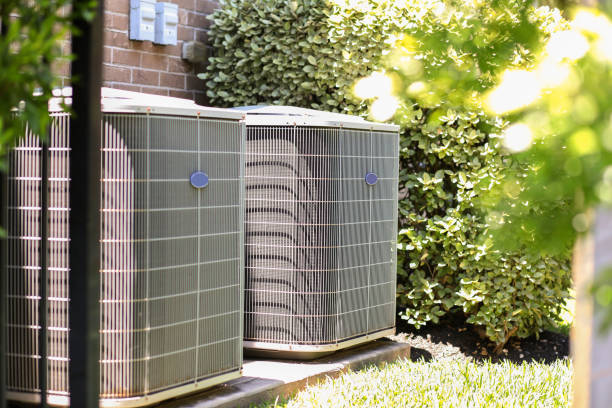
Installing an HVAC system is a critical process that ensures efficient heating, cooling, and ventilation in your home or commercial space. Below, we break down the installation process into six comprehensive steps to help you understand what is involved and how professionals ensure optimal performance.
Step 1: Evaluating the Space and Choosing the Right System
The first step in any HVAC installation is assessing the space where the system will be installed. This includes:
– Measuring square footage of the area to determine appropriate system capacity.
– Analyzing insulation levels and identifying areas prone to energy loss.
– Identifying specific heating and cooling needs based on regional climate conditions.
At this stage, HVAC professionals will recommend a system that balances energy efficiency with performance. Common options include central air systems, heat pumps, or ductless mini-split systems.
Step 2: Removing Old Equipment
If you’re upgrading or replacing an old HVAC unit, the next step involves safely removing existing equipment. This process typically includes:
– Disconnecting electrical connections and refrigerant lines (if applicable).
– Carefully removing old components such as furnaces, condensers, or evaporator coils.
– Properly disposing of outdated equipment following environmental guidelines.
Proper removal ensures there’s no damage to ducts, wiring, or other infrastructure.
Step 3: Preparing Ductwork and Infrastructure
Before installing new equipment, technicians inspect your ductwork for issues like leaks, blockages, or insufficient sizing. Any necessary repairs or cleaning are completed to maximize airflow efficiency. Some key checks include:
– Sealing leaks using mastic sealant or aluminum tape.
– Replacing damaged sections of ductwork as needed.
– Ensuring proper insulation around ducts located in unconditioned spaces like attics or basements.
For homes without ducts (e.g., when opting for a ductless mini-split), this step may involve planning alternative configurations for efficient distribution of climate control.
Step 4: Installing Equipment
Once the foundation is ready, HVAC contractors install the selected system components. This may include:
1. Placing outdoor units like condensers on stable platforms. 2. Mounting indoor units such as furnaces or air handlers securely. 3. Connecting refrigerant lines between indoor and outdoor units. 4. Installing thermostats in accessible locations for easy control.
During installation, technicians follow manufacturer guidelines precisely to prevent future operational issues.
| Component | Installation Considerations |
| Furnace | Ensure proper ventilation and clearance from combustible items |
| Air Conditioner Condenser | Place on level ground with unobstructed airflow |
| Thermostat | Install where it accurately reflects room temperature |
Step 5: Connecting Electrical Systems
Next comes wiring electrical components for safe operation: – Circuit breakers are inspected to ensure they meet voltage requirements. – Wiring connections between system components are completed using industry-standard practices. – Safety devices like surge protectors may be added to safeguard against power fluctuations.
A licensed electrician may also be involved during this phase if major electrical upgrades are required.
Step 6: System Testing and Calibration
After installation is complete, technicians thoroughly test all components to ensure proper functioning: 1. Checking refrigerant charge levels for cooling efficiency. 2. Verifying thermostat settings correspond correctly with desired temperatures. 3. Inspecting airflow pressure through registers and vents. 4. Testing electric connections for stability over extended periods of use.
Once tests confirm everything is working efficiently, technicians provide homeowners with guidance on operating their new system effectively while scheduling routine maintenance services for ongoing care.
Understanding these detailed steps helps property owners appreciate why professional expertise is essential during HVAC installations—ensuring maximum comfort while reducing long-term operational costs through attention to detail at every stage of the process.
Important Tips for AC Repair Woodbridge VA When Upgrading Your HVAC System
Replacing your HVAC system is a significant investment that requires careful planning and consideration. Making the right decisions during this process can not only save you money but also ensure the long-term comfort and efficiency of your home. Below is a comprehensive guide to some of the most critical factors to evaluate when replacing your HVAC system.
Assessing Your Current HVAC System
- Is the system failing to maintain consistent temperature control?
- Has energy consumption increased significantly in recent months or years?
- Are repairs becoming more frequent and costly?
- Does the unit make excessive noise or cause discomfort during operation?
Answering these questions will help determine if a replacement is necessary or if smaller repairs might extend its life.
Energy Efficiency Ratings
When selecting a new HVAC system, energy efficiency should be at the top of your list. Look for systems with high Seasonal Energy Efficiency Ratios (SEER) for cooling efficiency and high Heating Seasonal Performance Factors (HSPF) for heating efficiency.
| Rating Type | What It Measures | Recommended Value |
| SEER | Cooling efficiency | 14 or higher (U.S. standard) |
| HSPF | Heating efficiency | 8.2 or higher |
| ENERGY STAR® Certified | Overall energy savings that meet federal guidelines | Yes |
Investing in an energy-efficient unit may cost more upfront but can lead to significant savings on utility bills over time.
Proper Sizing of Your HVAC System
- Square footage of your home
- Number of windows and their orientation
- Quality of insulation
- Local climate conditions
Compatibility with Existing Ductwork
- Leaks or gaps that could reduce air pressure
- Insulation levels to minimize heat loss
- Signs of damage or blockages restricting airflow
If necessary, consider repairing or replacing sections of ductwork alongside installing the new system.
Budgeting for Installation Costs
- Requesting quotes from multiple licensed contractors.
- Checking for rebates or tax credits available through state programs or utility companies.
- Considering financing options if upfront costs exceed your budget.
Advanced Features to Consider
- Smart Thermostats: Allow remote control via smartphone apps.
- Variable-Speed Motors: Provide smoother operation with lower energy consumption.
- Zoning Systems: Enable customized temperature control in different areas of the home.
Evaluate which features align best with your needs and lifestyle before making a purchase decision.
By taking these essential considerations into account, you can select an HVAC replacement that offers optimal performance, reliability, and value over time.
Key Factors to Keep in Mind for Furnace Repair Woodbridge VA
Replacing an HVAC system involves careful planning and decision-making to ensure your home’s comfort, energy efficiency, and long-term reliability. Before committing to a new HVAC system, several factors must be taken into account. Below are key considerations that can help guide you through the process.
1. Assessing Your Home’s Heating and Cooling Needs
The needs of every home are unique. Factors such as square footage, insulation quality, climate, and the number of occupants should influence your choice of a replacement HVAC system.
- Square Footage: Larger homes typically require systems with higher capacity.
- Climate: Homes in extreme climates may benefit from specialized systems designed for heating or cooling efficiency under specific conditions.
- Home Features: Energy-efficient windows or high-grade insulation can reduce the demand on your HVAC system.
2. Choosing the Right Type of System
| System Type | Advantages | Disadvantages |
| Central Air Conditioning | Even cooling throughout the home | Requires ductwork; higher installation cost |
| Ductless Mini-Split | No ducts required; energy-efficient options | Limited coverage per unit |
| Heat Pumps | Efficient for mild climates; dual-use | Less effective in extremely cold climates |
| Furnace + AC Combination | Reliable for colder climates | Higher initial costs |
Discuss with a professional to determine which system best matches your home’s requirements.
3. Evaluating Energy Efficiency Options
- SEER Rating (Seasonal Energy Efficiency Ratio): A higher SEER rating indicates better cooling efficiency.
- AFUE Rating (Annual Fuel Utilization Efficiency): Applicable to furnaces; higher percentages mean better fuel usage.
- ENERGY STAR Certification: Indicates compliance with government energy-efficiency guidelines.
4. Examining Installation Costs
- Initial Purchase Price – Ensure it aligns with your budget but avoid compromising quality for cost savings.
- Installation Fees – Professional installation ensures safety and optimal performance.
- Maintenance Costs – Some systems may require more frequent servicing than others.
5. Upgrading Ductwork if Necessary
- Check for leaks or gaps that could cause air loss.
- Confirm ducts are properly insulated.
- Replace any outdated or damaged sections.
Ignoring ductwork issues can compromise performance even if you invest in a high-efficiency unit.
6. Partnering with a Trusted Professional
- Verify credentials such as licensing and certifications (e.g., NATE-certified technicians).
- Request detailed estimates that include labor costs, equipment prices, warranties, and timelines.
- Read reviews or ask for referrals from trusted sources to gauge expertise and customer satisfaction.
A skilled professional will not only install your new system correctly but also provide guidance on maintaining peak performance over its lifespan.
Replacing an HVAC system is an investment that impacts both comfort and finances over time. By considering these factors carefully, you can make informed decisions tailored to your specific needs while optimizing performance and cost-efficiency in the long run.
Evaluating Your Existing Ductwork Before HVAC Installation Woodbridge VA
Before undertaking any HVAC repair project, it is essential to inspect and evaluate your existing ductwork. The duct system plays a critical role in ensuring the efficient operation of your heating, ventilation, and air conditioning system. Damaged, inefficient, or poorly maintained ductwork can lead to energy loss, reduced air quality, and uneven temperature distribution throughout your home or business. Below is a detailed guide to help you understand the process of inspecting and evaluating your ductwork before proceeding with repairs.
Why Ductwork Inspection Matters
- Energy Efficiency: Leaking or poorly insulated ducts can account for significant energy loss, increasing your utility bills.
- Indoor Air Quality: Dirty or damaged ducts may circulate dust, allergens, or mold throughout your space.
- System Longevity: Faulty ductwork can strain your HVAC unit, leading to premature wear and tear.
- Comfort Levels: Uneven airflow caused by damaged ducts results in hot or cold spots in different rooms.
Steps for Inspecting Ductwork
- Perform a Visual Inspection
Start by visually examining accessible sections of the duct system: - Look for disconnected joints or gaps.
- Check for visible cracks or breaks in the ducts.
- Identify areas where insulation appears worn or missing.
- Look for Signs of Damage
Common signs that indicate an issue with ductwork include: - Unusual noises (such as rattling) while the system operates.
- Evidence of pest infestations (droppings or nests near ducts).
- Noticeable buildup of dust near vents.
- Test Airflow at Vents
Use an airflow meter (or simply observe airflow strength) at each vent in the building. Weak airflow could signal blockages, leaks, or design issues within the ducts. - Check for Leaks
Use one of these methods to identify leaks: - Perform a smoke test: Release harmless smoke near joints and seams; watch for movement indicating escaping air.
- Seal off vents temporarily and pressurize the system to locate areas where air escapes.
- Assess Insulation
Verify whether all duct sections located in unconditioned spaces (like attics, basements, or crawlspaces) are properly insulated. Poor insulation not only reduces efficiency but may also cause condensation buildup. - Evaluate Duct Sizing & Design
Improperly sized ducts can restrict airflow and reduce overall performance: - Compare current duct sizing against industry standards recommended for your HVAC unit size.
- Assess if the layout promotes even airflow distribution.
Tools You May Need
| Tool Name | Purpose | Availability |
| Flashlight | To inspect dimly lit areas | Hardware stores |
| Smoke pen/smoke stick | Detects leaks in joint connections | HVAC supply retailers |
| Airflow meter | Measures airflow strength | Online/HVAC suppliers |
| Metal foil tape | Temporary sealing of small leaks | Local hardware stores |
When Should You Contact a Professional?
While minor inspections can be done on your own, certain scenarios warrant professional assistance: – If multiple leaks are detected that require complex repairs. – If you identify major structural damage such as collapsing sections of flexible ducts. – When extensive re-insulation is needed across large portions of the system. – If there are signs of mold growth inside the ducts.
Hiring licensed HVAC technicians ensures that repairs are done safely and meet industry standards—maximizing efficiency while maintaining clean air circulation within your space.
Proper evaluation of existing ductwork is a critical step that should not be overlooked when addressing HVAC repairs. By taking time to assess condition and functionality upfront, you set yourself up for better system performance post-repair while also minimizing future maintenance issues.
Tips for Identifying Issues with Cooling Lines and Refrigerant Systems During Emergency HVAC Service Woodbridge VA
Cooling lines and refrigerant systems are critical components of any HVAC unit, ensuring efficient temperature regulation in homes and commercial spaces. Issues with these systems can lead to reduced performance, higher energy bills, or complete system failure. Understanding how to identify problems early can save time and money while preventing unnecessary discomfort.
Common Signs of Cooling Line and Refrigerant System Issues
- If your HVAC system struggles to maintain a consistent temperature or takes longer than usual to cool your space, there may be an issue with the refrigerant levels or cooling line integrity.
- Low refrigerant levels often indicate a leak that needs immediate attention.
- Bubbling or hissing sounds near the cooling lines typically suggest a refrigerant leak.
- Grinding or rattling noises might point to damage within the system’s compressor, which works closely with the refrigerant.
- Ice buildup on the evaporator coils or cooling lines generally results from improper airflow, low refrigerant levels, or dirty filters. This issue reduces system efficiency and can lead to further damage if left unaddressed.
- A sudden spike in energy consumption without a corresponding increase in usage could signal that your cooling lines are working harder than necessary due to leaks or blockages.
- If your HVAC system frequently turns on and off without completing a full cycle, it may be experiencing issues caused by incorrect refrigerant pressure levels.
Steps for Identifying Cooling Line Problems
- Check for visible leaks around the copper tubing or fittings.
- Look for signs of corrosion, physical damage, or wear along the cooling lines.
- Monitor your HVAC unit during operation for any unusual sounds that could indicate mechanical failures related to refrigeration components.
- Using specialized gauges, measure the pressure within the system’s coolant lines against manufacturer-recommended levels.
- Place your hand near vents; reduced airflow could point toward blockages within ducts caused by ice formation or restricted coolant circulation.
Table: Common Causes vs Indicators
| Problem Cause | Possible Indicators |
| Refrigerant Leak | Bubbling/hissing sounds; insufficient cooling |
| Damaged Cooling Lines | Visible cracks/corrosion; fluid pooling |
| Compressor Malfunctions | Grinding noises; short cycling |
| Dirty Filters/Blocked Lines | Reduced airflow; ice formation |
When Professional Help is Necessary
- Persistent ice buildup despite regular maintenance.
- Rapid loss of cool air after a recent repair.
- Continuous hissing noises indicating major leaks in sealed components.
By addressing potential problems promptly, you can extend the life of your unit while ensuring comfort year-round through improved efficiency and performance from well-maintained cooling lines and refrigerants.
Recognizing the Signs That Indicate Your Heating or Cooling System Needs Immediate Repair
1. Unusual Noises Coming from the Unit
- Banging or clanging: This might indicate loose or broken components inside the system.
- Hissing: Could be a sign of refrigerant leaks or airflow issues.
- Squealing: Often linked to problems with belts or motor bearings.
- Buzzing: May suggest electrical issues.
If you notice any of these noises persistently, it’s crucial to have a professional inspect the unit.
2. Uneven Heating or Cooling
- Blocked vents restricting airflow.
- An issue with the thermostat’s calibration.
- A failing compressor hindering performance.
Temperature inconsistencies can also stem from problems in ductwork. It’s vital to address this issue quickly to ensure comfort and prevent strain on your system.
3. Increased Energy Bills
| Symptoms | Possible Cause |
| Longer cycle durations | Faulty thermostat |
| Decreased airflow | Dirty filters |
| Frequent cycling (on/off bursts) | Unsized system |
Regular maintenance can avoid these inefficiencies and reduce operating costs over time.
4. Poor Airflow and Low Efficiency
- A clogged air filter.
- Problems with the blower motor.
- Blockages within air ducts (e.g., debris buildup).
Restricted airflow not only reduces overall comfort but forces your HVAC system to work harder—leading to potential wear-and-tear over time.
5. Persistent Thermostat Issues
- Failing to respond when adjusted.
- Display errors (e.g., incorrect readings).
- Inability to maintain consistent temperatures.
These problems often stem from wiring issues but should be inspected immediately before they affect entire system performance.
6. Strange Odors
- Burning odors: Could signify electrical component overheating.
- Moldy/musty scents: Likely caused by moisture buildup in ducts.
Address odor-related issues promptly since they may impact indoor air quality if left unchecked.
7. Excess Moisture Around Your Unit
- Clogged condensate drain lines.
- Refrigerant leaks (common with older systems).
Excess moisture not only reduces efficiency but could lead to structural damage and mold growth if untreated.
By recognizing these signs early and consulting a licensed technician for repairs, you can extend your system’s lifespan while maintaining reliable heating and cooling functionality throughout your home. Regular maintenance checks are instrumental in preventing minor problems from escalating into expensive breakdowns down the line.
The Role of Energy Efficiency in Choosing the Best Replacement HVAC System
When it comes to replacing your HVAC system, energy efficiency plays a pivotal role in selecting the best unit for your home or business. Not only does an energy-efficient system reduce environmental impact, but it also lowers utility costs over time. Below, we’ll explore how energy efficiency impacts performance and what factors you should consider when choosing a replacement system.
Why Energy Efficiency Matters
Energy-efficient HVAC systems are designed to optimize performance while consuming less power. This translates to:
– Lower Utility Bills: Reduced electricity and fuel consumption means you save money each month.
– Environmental Benefits: Fewer greenhouse gas emissions contribute to a greener planet.
– Enhanced Comfort: These systems often provide more consistent heating and cooling.
Investing in an efficient unit is not just about cutting costs; it’s also about creating a sustainable living or working environment.
Key Metrics for Evaluating Energy Efficiency
| Metric | Description |
| SEER (Seasonal Energy Efficiency Ratio) | Measures cooling efficiency over an entire cooling season. Higher SEER = Greater Efficiency. |
| AFUE (Annual Fuel Utilization Efficiency) | Applicable to furnaces; indicates how well fuel is converted into heat. Higher AFUE = Less Wasted Fuel. |
| HSPF (Heating Seasonal Performance Factor) | Used for heat pumps during heating mode. Higher HSPF = Better Heating Performance per Unit of Energy Consumed. |
| ENERGY STAR Certification | Indicates the product meets or exceeds strict energy-efficiency guidelines set by the EPA and DOE. |
Look for units with high ratings in these metrics to ensure optimal performance.
Factors Influencing Energy-Efficient Choices
- An oversized unit may waste energy by cycling on and off frequently.
- Undersized systems struggle to maintain comfort while operating inefficiently.
- Conduct thorough load calculations to determine the right capacity for your space.
- Your region’s climate plays a role in determining whether you need a heat pump, furnace, or air conditioner.
- Systems optimized for specific climates often perform better throughout their lifespan.
- Advanced Features
Modern HVAC units come with features like programmable thermostats, zoning capabilities, and variable-speed motors, all of which enhance efficiency by tailoring operation to your actual needs. - Leaky ducts can undermine even the most efficient system by allowing conditioned air to escape.
- Inspecting and sealing ductwork ensures maximum efficiency from your new unit.
Long-Term Savings vs Initial Costs
While energy-efficient systems often cost more upfront, they deliver long-term savings through reduced operating costs and fewer repairs due to advanced designs and technology integration. Consider using tools like ROI calculators offered by manufacturers to estimate how much you’ll save over time compared to less efficient options.
Replacing your HVAC system provides an opportunity not only to upgrade comfort but also improve overall energy usage with careful selection of high-efficiency models tailored specifically for your home or business needs.
- Finding the Best HVAC Contractor for Furnace Repair Woodbridge VA
- The Process of HVAC Installation Explained by an Expert HVAC Contractor Woodbridge VA
- Key Signs You Need AC Repair Woodbridge VA to Prevent a Complete Breakdown
- Comprehensive AC Repair Woodbridge VA: Solutions for Common Furnace and Cooling Issues
- Expert HVAC Contractor Woodbridge VA for Reliable Design and Installation Services
- Signs That Your HVAC System Needs Repair From an HVAC Contractor Woodbridge VA